Why classify clinical risk?
Why classify clinical risk?
In emergency services, the order of arrival should not be the only criterion for care. Risk classification allows prioritizing those who need immediate attention, preventing worsening, suffering, and even preventable deaths.
Benefits of triage:
-
Organizes care according to severity
-
Reduces patient waiting time
-
Prevents complications
-
Quickly identifies acute conditions
Triage can be performed by any healthcare professional with a higher education degree (nurses, doctors, physiotherapists, etc.) as long as they have specific training and use standardized protocols. The process promotes qualified listening and agile decision-making.
Triage Scales
Triage Scales
Several scales are used worldwide, such as the Australian Triage Scale (ATS), Canadian Triage Acuity Scale (CTAS), and the Emergency Severity Index (ESI). In Brazil, the Manchester Triage System is the most adopted.
Image Gallery (2)
Colors and destinations:
-
Red, orange, and yellow: acute cases, treated in UPAs and emergency rooms
-
Green and blue: chronic cases without acute exacerbation, referred to UBS
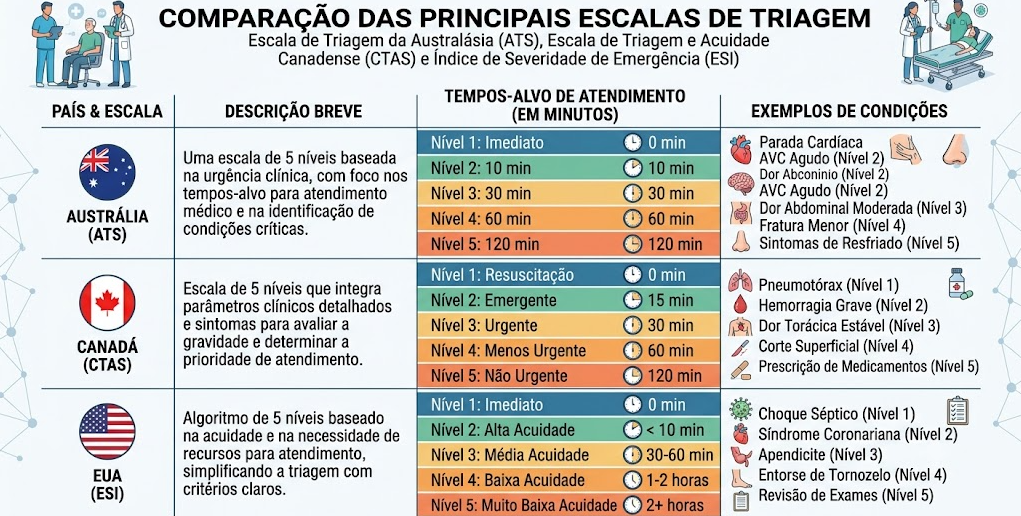 Figure 3. Comparison with other triage scales.
Certification in the method requires training by a licensed entity, such as the Brazilian Risk Classification Group (GBCR).
Manchester Methodology
Manchester Methodology
Classification follows four steps:
-
Main complaint: reason for visiting the service
-
Flowchart: choice of one among 55 available (53 routine + 2 for multiple victims)
-
Discriminator: identification of the sign or symptom that best defines urgency
-
Priority: assignment of color with target time
Each classification should take 1 to 3 minutes.
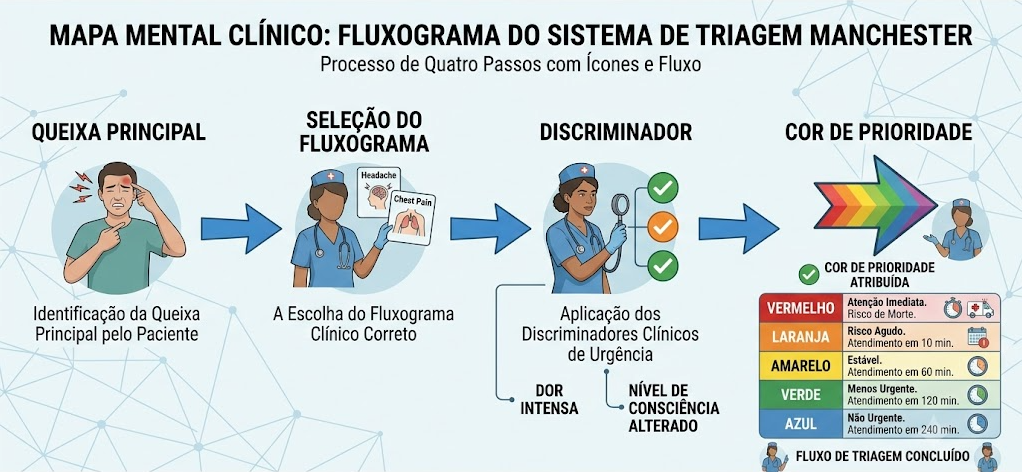 Figure 4. Mind map of the Manchester Protocol.
Available Flowcharts
Available Flowcharts
The complete list includes:
-
Assaults, Allergy, Behavioral Change, Asthma
-
Self-harm, Crying Baby, Headache, Seizures
-
Foreign Body, Abused or Neglected Child, Irritable Child
-
Fainting, Diabetes, Diarrhea and/or Vomiting, Dyspnea (adult/child)
-
Mental illness, STDs, Abdominal Pain (adult/child), Neck Pain
-
Sore Throat, Low Back Pain, Testicular Pain, Chest Pain
-
Apparent Intoxication, Skin Rash, Exposure to Chemical Agents
-
Wounds, Pregnancy, Gastrointestinal Bleeding, Local Infections
-
Malaise (adult, baby, child, neonate), Bites and Stings
-
Overdose and Poisoning, Worried Parents, Palpitations
-
Dental Problems, Extremities, Face, Eyes, Ears, Urinary Problems
-
Falls, Burns, Vaginal Bleeding, TBI, Major Trauma
-
Thoracoabdominal Trauma, Multiple Victims (primary and secondary assessment)
Image Gallery (2)
General Determinants of Triage
General Determinants of Triage
-
Red: imminent life risk (change in vital signs or ABCDE of trauma)
-
Challenge: the main complaint may be masked by multiple symptoms; the nurse must choose the most appropriate flowchart
-
Prioritization: when there are two or more symptoms in the same color, the nurse decides which discriminator to follow
Monthly audit is essential to ensure service quality. Remember: no patient can be discharged without being welcomed, classified, and attended to.
Important
The nurse's clinical reasoning and decision-making will always be sovereign over the Manchester Triage System.
Note
Keep in mind that risk classification is not the same as anamnesis!
It is necessary to separate the moments of care delivery and reserve the anamnesis for a time after the classification.